
Image

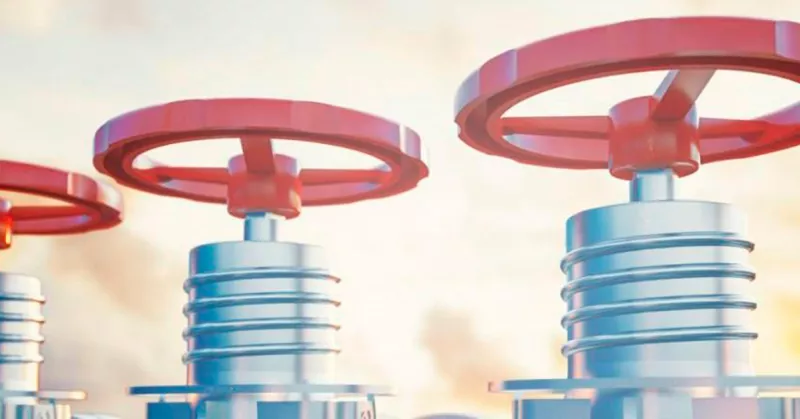
Why do so many industrial plants still lean on gate valves after more than a century of use? The answer sits in their mechanical simplicity and that unique ability to let fluid pass through unimpeded with barely any pressure loss. This guide covers everything from the basics —how they work, what types exist— to the bits that only show up once you have been working with them for a while: material selection, preventive maintenance, the typical mistakes worth dodging. Whether you have just landed in this field or already carry calluses from too many handwheels, there is practical information here for you.
The concept is fairly straightforward: a metal wedge —the gate— moves up and down perpendicular to the flow to open or close the passage. No fine regulation, no intermediate positions; it is all or nothing. Fully open or fully closed. Anyone trying to control flow rates with millimetre precision has picked the wrong valve. The body, which is the outer casing, is sized to handle the pressures and temperatures of the system it lives in.
With the gate fully raised, the fluid passes through the valve almost as if it were not even there. That very low resistance to flow is what sets it apart from other designs. The result is that the gate valve gets used mainly to isolate sections of piping —shutting off flow when required— and rarely to modulate it. Construction is solid, designed to take years of harsh conditions without giving trouble.
Whoever turns the handwheel is moving the stem, and the stem in turn drives the gate up or down. That simple. The internal structure includes the seat —the surface against which the gate seals when closed— which builds a hermetic seal to keep leaks out. On rising stem valves, the position can be checked at a glance, because the stem rises visibly as the valve opens.
The body is shaped to keep turbulence low when the valve is open, letting the fluid run unrestricted. Steel models are popular for their corrosion resistance and their ability to take high pressures and temperatures. The combination of properties makes the gate valve a reliable solution for systems where pipeline integrity admits no compromise.
The ball valve relies on a bored sphere and shuts off the flow in a quarter-turn, all in a more compact footprint. Butterfly valves spin a disc on a shaft set across the flow, which makes them cheaper and lighter, though the pressure rating tends to be lower. Control valves go in a different direction: their whole point is to throttle flow continuously and with precision.
Then there is the parallel slide gate valve, useful on low-pressure duties: two parallel discs split apart so the fluid can run through. Each type has its place in system design, but the gate valve stands out the moment you need full unobstructed flow paired with a reliable seal in the closed position.
It all starts with a turn of the handwheel. That rotary motion converts into vertical displacement of the gate through the threaded stem. On models with a rising stem —the most common in above-ground installations— you can physically see the stem coming out of the body as you open it: the more it protrudes, the more open the valve is. Some operators prefer the design for that exact reason, because a glance tells you whether it is open or closed without having to step closer.
The gate slides between internal guides until it is completely out of the path of the fluid. Once fully raised, the passage is clear —practically the same diameter as the pipe— and the fluid runs through almost without noticing there is a valve in the line. The pressure drop is minimal, which is exactly the goal.
The stem is the mechanical link that carries operating torque from the handwheel or actuator down to the gate. It can be threaded or non-threaded, depending on the specific design. The wedge gate —in particular the solid wedge— acts as the closing element that slots between the seats to block the fluid path. There is also the flexible wedge, better placed to accommodate minor variations in alignment and to deliver a more consistent seal under certain conditions.
The seat is the sealing surface where the gate makes contact to create a hermetic shut-off. The body has to be robust enough to contain the system pressure, and is typically made from carbon steel, stainless steel or special alloys depending on the requirements of the application. Stem, gate, seats and body: when everything fits properly, the assembly runs for decades without giving trouble.
To open: turn anticlockwise and the gate rises. The stem moves up —on a rising stem— and the passage is clear. The fluid finds a practically straight path, with no nooks or narrowings to rob it of energy. To close: turn clockwise. The gate descends and ends up pressing against the seats on both sides, building the bidirectional seal that blocks any leakage.
Something to be clear about from the outset: this valve is not built to regulate flow. Leaving it half open is asking for trouble. The fluid races through that narrow gap, sets up vibration, erodes the sealing surfaces and ends up damaging both the gate and the seats. Either fully open or fully closed. End of story. For throttling flow there are other, better-suited designs.
Rising stem valves have one obvious advantage: you can see the position without needing indicators or instrumentation. The more the stem protrudes, the more open the valve is —it is that simple. There is another, less obvious benefit: maintenance is easier because the threads sit accessible for lubrication and you can catch wear before it turns into a breakdown. You do need vertical space above the valve, though, so the stem has somewhere to travel as you open it.
Non-rising stem valves solve that space problem. The stem rotates but does not rise; an internal thread shifts the gate inside the body. You will find them in underground installations, chambers, or any spot where headroom is tight. The downside is the lack of direct visual indication of position —you need some sort of additional indicator— and the threads stay submerged in the fluid, which can speed up their wear depending on what product you are handling.
The solid wedge is a one-piece component —pardon the redundancy— that handles brutal pressures and temperatures. Simple design, fewer parts that can fail, and a very reliable seal when working with clean liquids or gases. It starts to struggle with dirty fluids or when significant thermal variations slightly misalign the seats.
For those situations the flexible wedge comes in: it has a groove that lets it deform slightly and adapt to small misalignments. It closes with less force and is more forgiving of imperfections. The split gate goes one step further: it carries two independent discs that an expansion mechanism presses against the seats. It seals well even at low differential pressure, although the design is more complex. Each solution has its niche; the trick is to pick the right one for each service.
On pressure loss, the gate valve wins hands down. Fully open, the fluid barely notices it is there. That matters a great deal in long lines with several valves in series, where every millibar of loss translates into more pumping power and higher electricity consumption. It does require more vertical space for installation and operation, especially the rising stem models.
The ball valve delivers quick opening and closing with a 90-degree turn, takes up less space and offers an excellent hermetic seal, although usually at a higher initial cost and with limitations on very large diameters. Butterfly valves are noticeably lighter and cheaper, take up far less space and shine on large-diameter systems where weight and cost are major considerations, although they do not provide the same unobstructed flow. On maintenance, gate valves may want more attention because of their more complex internal components, whereas ball and butterfly valves are usually simpler to maintain. The right call has to come from a thorough assessment of the specific application.
In the oil and gas industry, steel gate valves get used heavily on transmission lines, pumping stations and offshore platforms, where they have to take extremely high pressures and demanding environmental conditions. The chemical industry asks for valves with excellent corrosion resistance; for these applications, models made from special stainless steels or exotic alloys provide the durability needed to handle aggressive corrosive fluids.
In power generation plants —both thermal and nuclear— these valves control the flow of steam, feedwater and other process fluids. The water and wastewater treatment industry leans on them heavily to isolate sections of piping, allow maintenance and manage flow in extensive distribution systems. Sectors such as mining, pulp and paper, food and beverage, and pharmaceuticals also use them where cleanliness, hygiene and corrosion resistance are priorities.
Corrosion resistance is often the decisive factor, especially when the fluid carries aggressive chemicals, high salinity or elevated temperatures that speed up corrosion processes. Stainless steel, nickel alloy or specially lined models are common picks when this aspect is the priority.
Operating conditions —temperature and pressure— set both the body material and the internal design. For high-temperature service, special materials are required for seat and packing so they keep their sealing integrity. Fluid type also weighs heavily: viscous fluids, slurries or fluids carrying suspended solids may call for specific designs. Frequency of operation is another important criterion; while these valves suit infrequent opening and closing, they are not the best pick for frequent operating cycles.
Ideal applications share a need for fully open or fully closed flow with infrequent operation. Main piping systems in processing plants suit these valves perfectly, where they stay open during normal operation and only close for maintenance or in emergencies. Pump suction and discharge lines benefit enormously from the low pressure loss, maximising the efficiency of the pumping system.
In municipal water distribution systems, they allow specific sections of the network to be isolated for repairs without cutting service to the whole community. Steam-system applications —where high temperatures and pressures are common— find a robust and reliable solution in steel valves. Dams and irrigation channels run large-diameter models —sometimes more than a metre across— capable of moving enormous volumes of water. At the other end of the thermal spectrum, cryogenic installations rely on special versions designed to keep their seal at sub-zero temperatures that would shatter other materials.
Systematic preventive maintenance stretches the service life and reliability of these components. It pays to give the outside of the body a periodic look-over for rust, cracks or any deformation that catches the eye. The stem deserves special attention: if you find it hard to move, with lateral play or showing corrosion pitting, act before the problem gets worse.
Opening the valve to inspect the internals is more of a hassle —you have to shut the system down, drain it, dismantle it— although sometimes there is no alternative. Inside you look for erosion on the seats, scoring on the gate and accumulated deposits. The stem packing also ages: it hardens, cracks and starts to drip. If you find it deteriorated during an inspection, change it even when it still holds out; it works out cheaper than having to step in urgently the moment it fails completely.
Leaks cost money —lost product— and can be hazardous depending on what you are handling. Most seat leaks come from surface damage: scoring, erosion, embedded particles that block complete closure. Keeping abrasive solids away from the valve helps, and never leaving it half open helps even more. That intermediate position breeds brutal flow velocities right in the sealing area, which ends up paying the price.
Stem leaks usually come from worn packing. Slightly tightening the gland nut takes care of minor drips; if that does not cut it, the packing needs replacing. Another classic: valves that seize up from lack of use. The stem rusts, the threads pick up deposits, and when you go to operate it after months idle there is no shifting it. Regular lubrication —with products compatible with the service, obviously— heads off the problem. And if a valve vibrates during operation, almost certainly someone is using it to throttle flow. Bad idea, as we have already said.
The secret is no great mystery: periodic lubrication of stem and threads, cleaning the outside to keep deposit-driven corrosion away, and documenting everything you observe along the way. That historical record is worth its weight in gold when it comes to deciding whether to repair or replace, or when fine-tuning maintenance intervals based on real data rather than guesswork. For valves on critical service, techniques such as vibration analysis or thermography make it possible to catch problems before they become visible to the naked eye.
Keeping spares in stock —packing, seats, the odd gate of the most common model— heads off long shutdowns waiting for materials. During repairs, note down what failed and why: erosion from solids? chemical corrosion? normal wear from age? That information helps fine-tune valve selection on future installations and anticipate similar problems across the rest of the fleet. Training for maintenance staff also counts; a valve poorly reassembled after an overhaul can cause more trouble than it did before it was opened.
The capacity to allow fully unobstructed flow is the most significant advantage over other types. When fully open, the gate retracts into the body cavity, leaving a passage with practically the same diameter as the connected piping. The trait produces minimal pressure drop, which is decisive on long piping systems with multiple valves installed; the cumulative pressure loss stays low, cutting pumping power requirements and improving overall energy efficiency.
On applications where the fluid carries suspended solids or viscous fluids, the fully open passage keeps material from building up and lowers the chance of blockages. The low turbulence also means less erosion and wear on downstream piping. The bidirectional design of most of these models allows installation without worrying about flow direction, which simplifies system design.
Despite the advantages, there are important limitations. They should not be used to control flow by throttling or partial regulation; holding the gate in an intermediate position exposes the sealing surfaces to extremely high fluid velocities that breed erosion, vibration and damage. For applications calling for continuous flow modulation, control valves or globe valves are more appropriate picks.
Operating times are relatively slow compared with ball or butterfly valves, requiring multiple handwheel turns to fully open or close; in situations where rapid emergency shut-off is needed, other types fit better. The vertical space requirement —particularly for rising stem models— can be prohibitive on installations with height constraints or in underground applications. They can also be susceptible to water hammer damage when closed too quickly in high-velocity flow lines.
Operating pressure is a weighty criterion; these valves —especially those with a solid wedge and robust construction— can be designed to handle extremely high pressures that beat the capabilities of many other types. Service temperature also has a significant influence; steel models can be specified with materials and designs that keep their integrity and functionality in ranges from cryogenic temperatures to applications crossing 500 °C.
Fluid type is equally decisive. Clean fluids, gases and non-corrosive liquids suit standard valves, while corrosive fluids call for special materials. On fluids carrying abrasive solids, although the full passage is an advantage, special designs or hard facings on the seat and gate should be considered. Line size also counts; these devices are available from small diameters up to valves beyond 1500 mm, offering solutions for practically any application. Service criticality also influences the decision; for applications where reliability is absolutely decisive and operation is mainly on/off isolation, the proven robustness of these valves makes them the preferred choice.