
Image

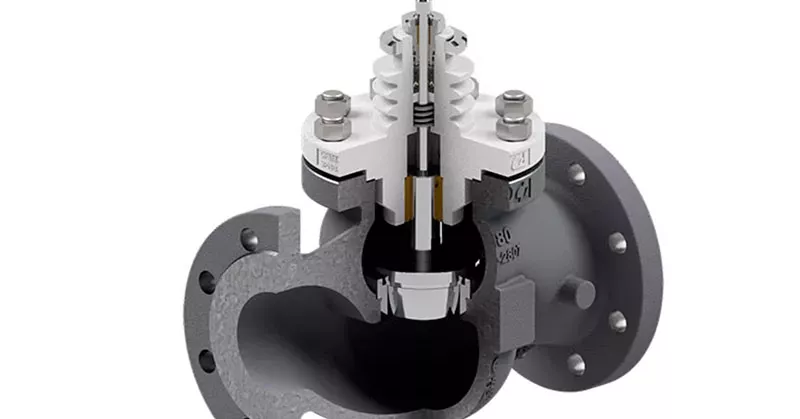
Valves regulate, isolate, and shut off the flow of liquid within a piping system, and they are central to the automated control of the flow of different materials. Maintaining good performance and ensuring safety in any industrial setting depends on a clear understanding of how these control elements work. A thorough grasp of valve operation makes it possible to choose the right valves based on their industrial design and durability.
A valve is a mechanical device used to control, direct, or regulate the flow of a fluid by opening, closing, or partially obstructing the passageway. Valves manage fluid movement in piping systems by allowing controlled flow to pass and preventing unwanted flow under programmed conditions.
By managing the energy of the fluid within a system, valves give operators control under changing pressure and temperature conditions, which is essential to the safety and operational efficiency of the system.
In hydraulic applications, valve components are essential to maintaining the integrity of the system. Each part has its own role, starting with the valve body, which serves as the foundation, and ending with the stem and bonnet, which provide a tight seal. The design and material of these components, including the use of stainless steel, have a strong impact on resistance to corrosion and high pressure, ensuring valve functionality over long periods of time.
Industrial systems use valves for a range of duties, including flow control, leak prevention, and protecting the system against overpressure. Specialized types include safety valves, which are designed to open automatically when pressure becomes excessive, and check valves, which allow flow in only one direction and prevent backflow. Control valves, in turn, manage flow rates and pressures so that they match the operating conditions of the process.
Made up of a body, bonnet, stem, disc, and valve seats, the valve is a device whose parts work together so that it operates efficiently. In addition to being the main component that supports the other parts and withstands system pressure, the body must also house the internal pieces. The bonnet, attached to the body, protects the internal components, while the stem allows the disc to move.
The part of the valve known as the "body" is highly important, since it acts as the first barrier containing the pressurized fluid. The valve body must be made from a strong material such as stainless steel and, because the operating environment is fairly severe, it has to be robust enough to withstand those conditions. Because the body must seal so that no leaks occur, it also has to allow effective replacement and repair of parts. A well-designed body ensures optimal valve operation and maximizes its service life.
The bonnet of a valve acts as a closing seal that helps retain pressure and keep the system tight. This part is connected to the valve body; it surrounds the stem and protects the internal parts from contaminants and external damage. The bonnet preserves the valve's effective and durable operating performance by providing additional protection against corrosion and leaks. It also allows easy access for internal maintenance without having to disassemble the valve completely.
The perforated sphere is the element used in ball valves, which are widely used in many fluid systems and provide a tight shutoff and easy operation. They are used in systems that require fast action together with a hermetic seal. Butterfly valves, for their part, use a rotating disc to regulate flow rate, and they are highly valued for their compactness. They are mostly used on so-called large-diameter lines.
Gate valves are used mainly to start or stop fluid flow, with a design that minimizes pressure loss in the system. They are ideal for applications that require full flow or full shutoff. Check valves, in turn, are designed to allow flow in one direction while preventing backflow, thus protecting sensitive equipment from damage caused by reverse flow.
Safety valves are automatic devices designed to mitigate potentially devastating accidents by relieving fluid flow in high-pressure systems. The pressure threshold known as the set point is fixed for given conditions, so that when it is exceeded the valve opens automatically to release the excess. Safety valves have been established as critical components in oil and gas operations.
Actuators allow valve operation to be automated, which improves precision and reduces manual labor. They convert energy into mechanical motion, enabling motor-driven opening and closing of the valve. Actuators are essential in processes that involve fast, repetitive actions, or in locations that are not accessible to humans, keeping process flow control uninterrupted.
A valve's components and design depend directly on the fluid being handled. Material selection and structural design must take into account the viscosity, density, and temperature of the fluid, among other factors. A design that does not match the fluid properly can lead to losses in operating efficiency or to damage. For this reason, valve design must address the nature of the fluid first in order to deliver optimal performance and the lowest possible failure rate.
Corrosion is a persistent concern in fluid systems because of its potential to damage valves and their components. A fluid influenced by the surrounding environment can accelerate degradation, which makes it critical to choose materials such as stainless steel, which are highly resistant. A proper surface coating and periodic maintenance extend the service life of valves while ensuring uninterrupted operating reliability, even under demanding conditions.
Choosing the valve that best fits your requirements is a process that determines the efficiency, safety, and cost of the system. The type of fluid, its pressure and temperature, the required flow rate, and the choice of material all deserve careful attention. Specific needs must drive the choice so that the valve, once in service, prolongs its own service life and that of the system.
The stem and the gland are critical components that ensure the seal and proper operation of valves. Their material and construction must be compatible with the operating pressures and temperatures in order to prevent leaks and premature failure. Proper maintenance of these components ensures trouble-free operation, extends the service life of the valve, and improves the overall efficiency and safety of the system.
When getting quotes from valve manufacturers, it is important to provide detailed information on the specifications and operating requirements of your application. This includes information on the type of fluids, operating conditions, and the desired sizes and materials. Effective and complete communication with the manufacturer helps to secure accurate pricing tailored to your requirements, while ensuring that the final product meets your expectations for performance and quality.
What is the service life of an industrial valve?
The service life of an industrial valve is determined by several factors, including the type of valve, the operating conditions, and maintenance practices. In general, well-maintained valves operate without significant problems for several years.
How do you know when a valve needs to be replaced?
If a valve develops recurring leaks, sealing failures, or performs below the expected level, it may be time to consider replacement. Routine maintenance inspections can address underlying problems and often catch issues before they require a complete replacement.